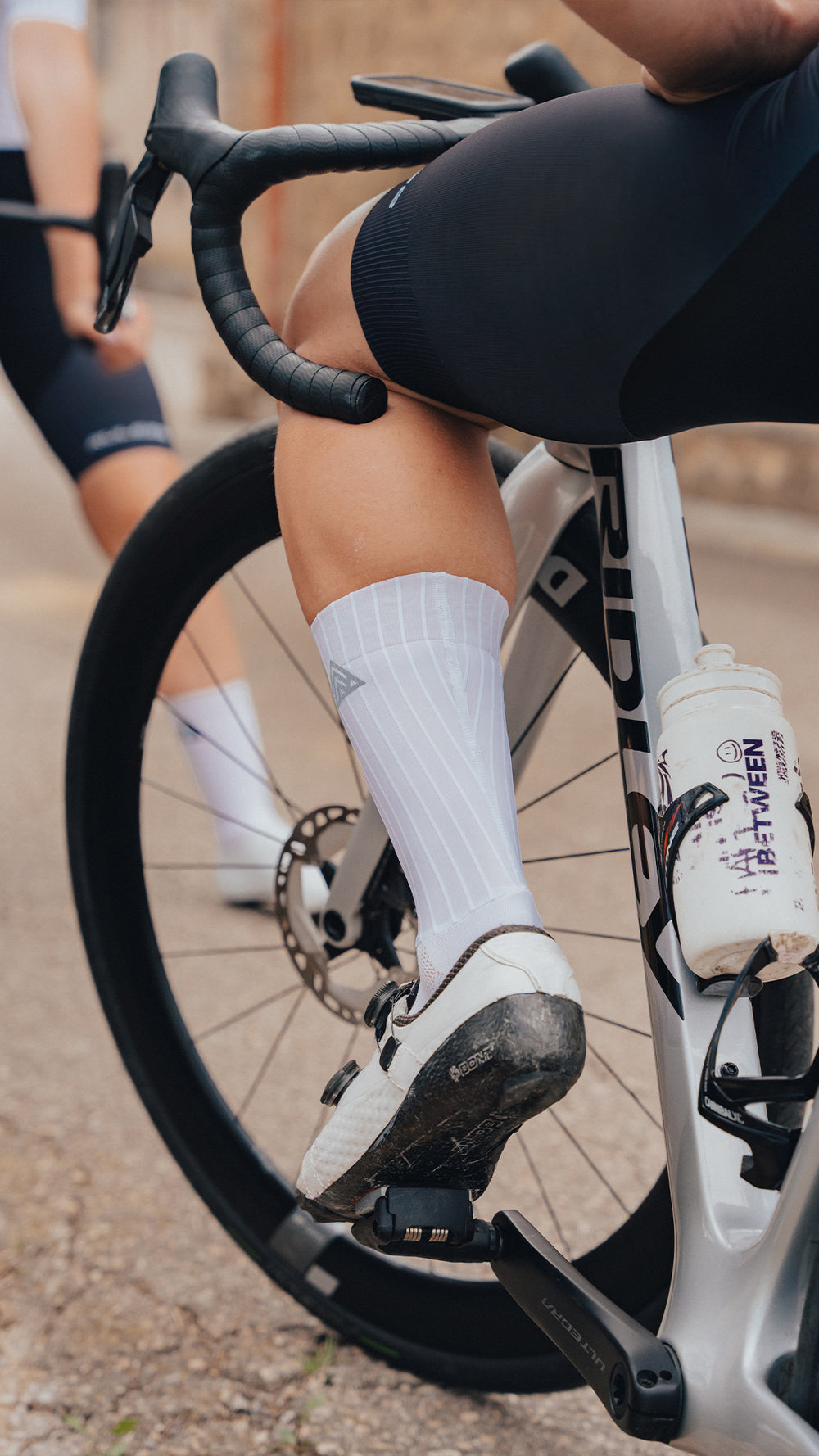
Maintaining cycling aero overshoes is essential for preserving their aerodynamic advantage, durability, and comfort on long rides. These lightweight, often high-tech accessories can be prone to wear from debris, moisture, and repeated handling. By following a systematic care routine, cyclists can extend the life of their overshoes, keep them performing at peak efficiency, and reduce the need for costly replacements. Below are expert-level tips that blend practical maintenance steps with the latest material-care insights, ensuring that every pedal stroke remains as smooth as the first.
Understanding the Materials
Most aero overshoes are constructed from a combination of Lycra, neoprene, and reinforced polymer panels. Each material reacts differently to cleaning agents, temperature, and storage conditions.
- Lycra/Spandex blends: Offer stretch and a snug fit but can degrade when exposed to harsh detergents.
- Neoprene inserts: Provide water resistance and insulation; they are sensitive to prolonged heat.
- Carbon-reinforced shells: Deliver rigidity for aero performance but can crack if flexed excessively when wet.
Routine Cleaning Procedures
1. Quick-Wipe After Every Ride
Remove surface grit and mud before it embeds into the fabric.
- Use a soft, lint-free cloth lightly dampened with cool water.
- Gently pat the exterior; avoid rubbing which can abrade the polymer coating.
2. Deep Clean (Weekly or After Long Rides)
When the overshoes have accumulated sweat, road salt, or oil, a more thorough cleaning is required.
- Fill a basin with lukewarm water and add a mild, pH-balanced detergent (e.g., a sports-wear specific soap).
- Submerge the overshoes for no more than 10 minutes; swirl gently.
- Use a soft brush to reach seams and the interior lining, then rinse with clean water.
- Air-dry in a shaded, well-ventilated area, never place directly under a heater or in direct sunlight.
Preventing Damage During Storage
Improper storage is a leading cause of premature wear. Follow these guidelines to keep overshoes ready for the next ride.
- Maintain shape: Store them in a breathable mesh bag or a dedicated shoe case that supports the toe box.
- Avoid compression: Do not stack heavy items on top of the overshoes; compression can warp the aerodynamic panels.
- Control humidity: Use silica gel packets or a dehumidifier in the storage area to prevent mold growth.
Addressing Common Issues
Loose Seams or Frayed Edges
If stitching begins to separate, apply a flexible fabric adhesive designed for technical textiles. Clamp gently and let cure according to the product instructions.
Water Intrusion
Even the best waterproof membranes can develop micro-tears. Inspect the interior lining regularly and, if needed, apply a thin layer of silicone-based sealant to the affected area.
Loss of Aerodynamic Shape
Repeated flexing while wet can cause the carbon or composite shell to lose its intended profile. After cleaning, ensure the overshoes are completely dry before placing them in a shape-preserving container.
Advanced Care Techniques
- Cold-water rinse before drying: A final rinse with cold water helps close the polymer pores, reducing water absorption.
- UV protection spray: Apply a UV-resistant coating to the outer surface once a month to guard against sun-induced degradation.
- Periodic inspection: Schedule a detailed check every 50-100 rides, focusing on seam integrity, sole attachment, and the condition of any reflective elements.
Choosing the Right Accessories
Complementary gear can enhance both performance and longevity. For example, selecting a high-quality shoe cover that fits snugly reduces the amount of debris that reaches the overshoe surface. Detailed options are available in the accessories section, where cyclists can Discover expert strategies here and stay ahead of wear patterns.
Integrating Maintenance Into Your Training Routine
Make care a habit rather than an afterthought. Incorporate a five-minute post-ride check into every training session:
- Visual scan for visible dirt or damage.
- Quick wipe with a damp cloth.
- Log any issues in a cycling journal to track wear over time.
Over weeks, this systematic approach yields measurable improvements in overshoe condition and rider confidence. For deeper insight into systematic care, you can Learn about our tailored solutions that align with professional training schedules.
When to Replace Your Aero Overshoes
Even with diligent care, materials eventually reach the end of their functional life. Signs that replacement is due include:
- Persistent loss of water resistance despite sealant applications.
- Visible cracks in the carbon shell that affect airflow.
- Significant stretch in the Lycra that compromises fit and aerodynamics.
Replacing at the right time ensures that aerodynamic gains are not compromised. To explore the latest models and see how new designs address durability, Explore advanced guides and tips on the current product lineup.
Conclusion
Effective maintenance of cycling aero overshoes blends routine cleaning, mindful storage, and proactive inspection. By respecting the unique material composition, applying targeted care steps, and integrating these practices into regular training, cyclists can preserve the aerodynamic edge that these accessories provide. Consistent upkeep not only extends product life but also contributes to safer, more efficient rides. For further reading and to stay updated on emerging maintenance technologies, Find out more about this approach and keep your gear performing at its best.
