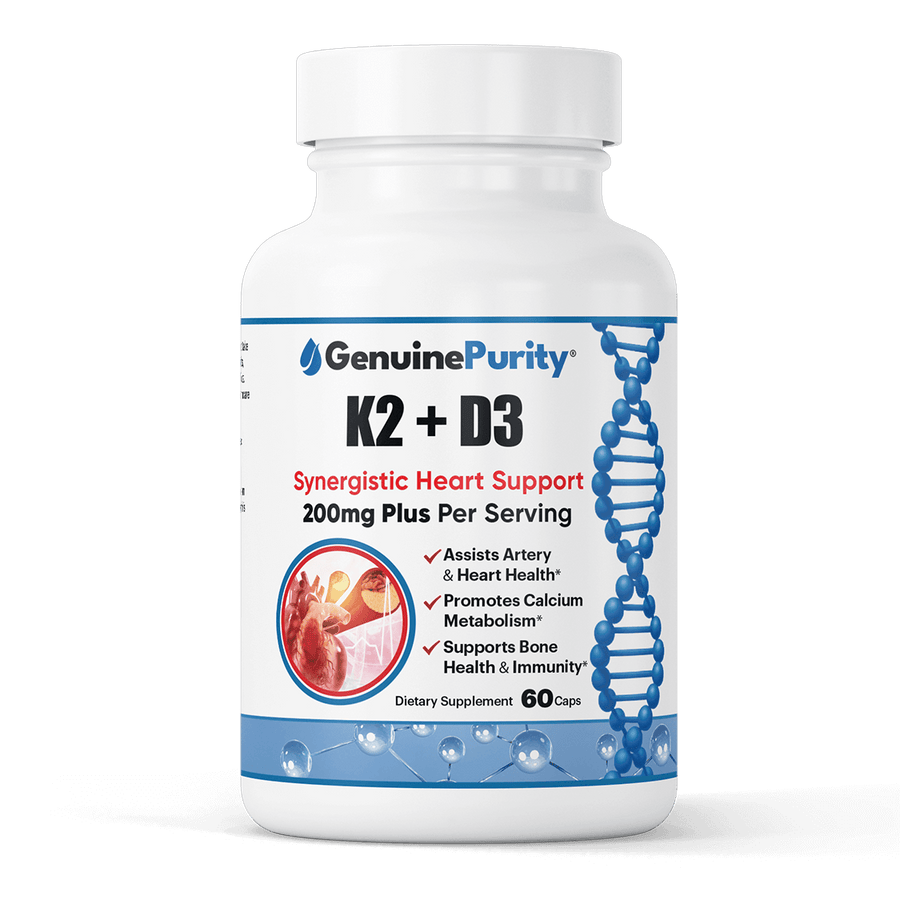
Vitamin D3 and K2 work together in a synergistic partnership that supports bone health, cardiovascular function, and immune resilience. While each nutrient offers distinct benefits, their combined effect amplifies the body’s ability to absorb calcium, regulate inflammation, and maintain optimal metabolic processes. Understanding why this duo is essential helps individuals make informed decisions about supplementation and dietary choices, ultimately fostering long-term wellness.
How Vitamin D3 and K2 Complement Each Other
Vitamin D3 (cholecalciferol) primarily enhances calcium absorption in the intestines, ensuring that the mineral is available for physiological needs. Vitamin K2 (menaquinone), on the other hand, activates proteins that direct calcium to the bones and teeth while preventing its deposition in soft tissues such as arteries. This complementary action reduces the risk of vascular calcification and supports skeletal strength.
- Calcium Utilization: D3 increases serum calcium levels; K2 activates osteocalcin, a protein that binds calcium to the bone matrix.
- Vascular Health: K2 activates matrix GLA-protein (MGP), which inhibits calcium buildup in arterial walls.
- Immune Modulation: Both vitamins modulate immune responses, with D3 influencing antimicrobial peptide production and K2 supporting regulatory T-cell function.
Key Health Benefits of the D3-K2 Combination
1. Stronger Bones and Teeth
Bone remodeling relies on a delicate balance of calcium deposition and resorption. When D3 boosts calcium absorption, K2 ensures that the mineral is deposited where it belongs, into the bone matrix. Clinical studies have shown that individuals supplementing with both vitamins experience higher bone mineral density and reduced fracture risk compared to taking either nutrient alone.
2. Cardiovascular Protection
Arterial stiffness is a major predictor of heart disease. By activating MGP, K2 prevents calcium from crystallizing in the vascular wall. Simultaneously, D3 helps maintain healthy blood pressure and supports endothelial function. Together, they create a protective environment that promotes flexible, healthy arteries.
3. Enhanced Immune Function
Vitamin D3 is well-known for its role in innate immunity, stimulating the production of antimicrobial peptides such as cathelicidin. K2 contributes by modulating adaptive immunity, helping keep inflammatory responses in check. This dual action can be especially valuable during seasonal changes when immune challenges increase.
4. Metabolic Support
Research suggests that the D3-K2 duo may improve insulin sensitivity and support healthy blood glucose levels. By influencing calcium-dependent signaling pathways, these vitamins help regulate pancreatic beta-cell function and lipid metabolism.
Practical Tips for Incorporating D3-K2 Into Daily Life
- Choose a Balanced Supplement: Look for products that provide both vitamins in clinically studied ratios (often 1000 IU of D3 paired with 100 mcg of K2). Discover expert strategies here.
- Pair With Healthy Fats: Both D3 and K2 are fat-soluble; consuming them with avocado, nuts, or olive oil enhances absorption.
- Mind Sun Exposure: Moderate sunlight can naturally boost D3 levels, but geographic location and skin tone affect synthesis, making supplementation a reliable backup.
- Monitor Blood Levels: Periodic testing of 25-hydroxyvitamin D and vitamin K status helps tailor dosing to individual needs.
- Stay Consistent: Daily intake yields the most stable serum concentrations, supporting continuous bone and cardiovascular benefits.
Potential Interactions and Safety Considerations
While the D3-K2 combination is generally safe for most adults, certain conditions warrant caution:
- Blood Thinners: Vitamin K can interfere with anticoagulant medications such as warfarin. Consultation with a healthcare professional is essential before starting supplementation.
- Hypercalcemia: Excessive D3 without adequate K2 may lead to elevated calcium levels, increasing the risk of soft-tissue calcification.
- Kidney Disease: Individuals with impaired renal function should have calcium and vitamin D metabolism monitored closely.
When used responsibly, the synergy between D3 and K2 offers a potent, natural approach to supporting multiple body systems.
Choosing a Quality D3-K2 Product
Quality matters when selecting a supplement that delivers reliable results. Look for products that are third-party tested for purity, contain no unnecessary fillers, and use a bioavailable form of K2 (typically MK-7). Transparent labeling and reputable sourcing are hallmarks of a trustworthy formulation. Learn about our tailored solutions.
Conclusion: The Essential Duo for Holistic Health
The combined power of vitamin D3 and K2 addresses critical pathways in bone mineralization, cardiovascular integrity, immune regulation, and metabolic balance. By ensuring that calcium is efficiently absorbed and correctly directed, this partnership reduces the risk of common chronic conditions while promoting overall vitality. For anyone seeking a science-backed, convenient way to enhance foundational health, integrating a high-quality D3-K2 supplement into a balanced diet is a prudent, evidence-based strategy. Explore advanced guides and tips. Find out more about this approach.
