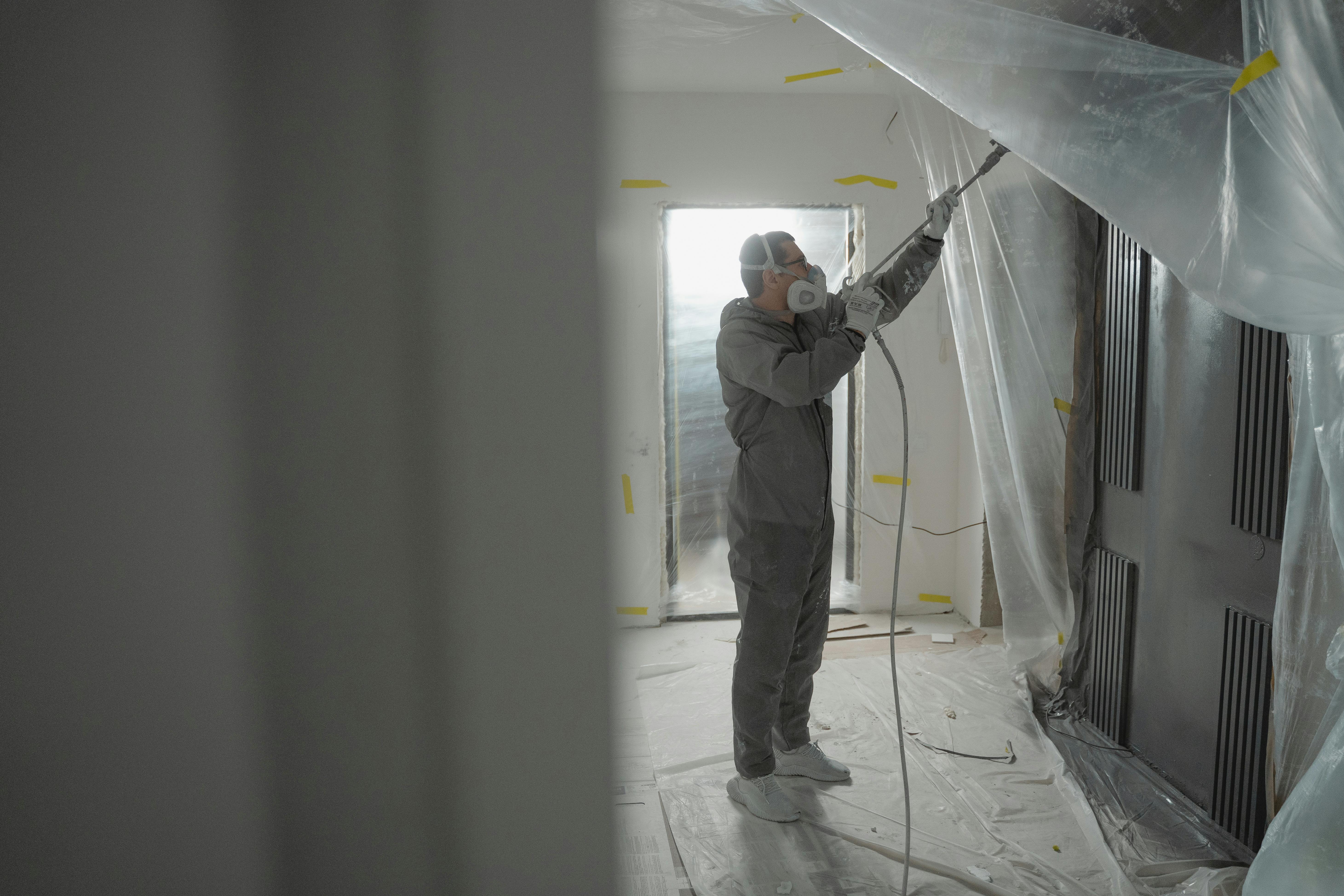
Undertaking a complete home renovation is a substantial investment of time, money, and energy, but the rewards can be transformative. From modernizing outdated layouts to improving energy efficiency, a well-planned remodel can increase comfort, functionality, and property value. This guide walks through each phase of a full-scale renovation, offering practical advice on budgeting, design, project management, and finishing touches, so homeowners can navigate the process with confidence and achieve a living space that truly reflects their lifestyle.
Planning and Budgeting
Successful renovations begin long before the first demolition. Establishing clear objectives and a realistic budget sets the foundation for every subsequent decision.
Define Goals and Priorities
- Identify the primary purpose of the remodel (e.g., open-concept living, accessibility upgrades, energy savings).
- Rank rooms or features by importance to allocate funds where they matter most.
- Consider future needs such as resale potential or growing family size.
Create a Detailed Budget
- Include line items for design fees, permits, materials, labor, contingency (10-15%), and unexpected expenses.
- Research average costs for local contractors and material prices.
- Use a spreadsheet or budgeting app to track expenditures throughout the project.
For deeper insight into budgeting strategies, Read more about this topic.
Design Development
The design phase translates goals into concrete plans, balancing aesthetics, functionality, and code compliance.
Layout and Space Planning
- Sketch floor plans that improve flow and maximize natural light.
- Consider multi-functional spaces that can adapt to different activities.
- Consult a qualified architect or designer to ensure structural integrity.
Material Selection
- Choose durable, low-maintenance finishes for high-traffic areas.
- Prioritize sustainable options such as reclaimed wood, low-VOC paints, and energy-efficient windows.
- Gather samples and test them under the home’s lighting conditions.
When exploring material trends, Learn more in this detailed guide.
Permits and Regulations
Compliance with local building codes is non-negotiable. Securing the correct permits prevents costly delays and ensures safety.
- Identify required permits for structural changes, electrical, plumbing, and HVAC work.
- Submit detailed plans to the municipal building department for approval.
- Schedule inspections at key milestones (e.g., framing, rough-in, final).
For an overview of typical permitting processes, Explore further insights here.
Hiring Professionals
Choosing the right team is critical to delivering quality workmanship on schedule.
- Interview multiple contractors and request detailed bids.
- Verify licenses, insurance, and references.
- Establish a clear scope of work and timeline in a written contract.
Guidance on evaluating contractors can be found at Find additional information here.
Construction Phase
During demolition and construction, maintaining organization and communication helps keep the project on track.
Demolition and Structural Work
- Secure the site, protect existing finishes, and ensure proper waste disposal.
- Address any structural issues such as foundation cracks or load-bearing wall modifications.
- Install new framing, joists, and supports as per engineered plans.
Mechanical, Electrical, and Plumbing (MEP)
- Upgrade wiring to meet current safety standards.
- Install energy-efficient HVAC systems and consider zoning for better climate control.
- Replace outdated plumbing with PEX or copper piping, adding water-saving fixtures.
Finishing Work
- Apply drywall, plaster, or alternative wall systems.
- Install flooring, hardwood, tile, or luxury vinyl, based on room function.
- Fit cabinetry, countertops, and hardware that align with the design vision.
For step-by-step construction tips, Read more about this topic.
Final Touches and Move-In
The finishing stage brings personality and comfort to the renovated space.
- Paint walls with colors that complement the overall palette.
- Incorporate lighting layers, ambient, task, and accent, to enhance functionality and mood.
- Add decorative elements such as artwork, textiles, and plants for a lived-in feel.
For ideas on selecting finishing touches, Learn more in this detailed guide.
Maintenance and Longevity
Proper upkeep extends the life of the renovation and protects the investment.
- Schedule regular HVAC filter changes and system inspections.
- Clean and reseal stone or tile surfaces annually.
- Perform periodic checks for water leaks, especially in new plumbing installations.
Additional maintenance recommendations are available at Explore further insights here.
Conclusion
A complete home renovation is a multifaceted undertaking that blends strategic planning, design expertise, and skilled execution. By following a systematic approach, starting with clear goals, moving through diligent design and permitting, selecting qualified professionals, and managing construction with attention to detail, homeowners can achieve a transformed living space that meets modern standards of comfort, efficiency, and style. Continuous maintenance ensures the newly renovated home remains a source of pride and enjoyment for years to come.
