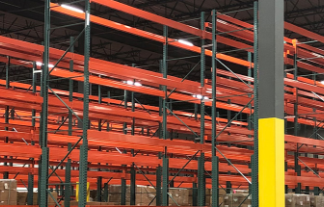
Efficient storage solutions are paramount for any business looking to maximize their operational space. In warehouse and industrial environments, optimizing space can significantly impact productivity and cost-efficiency. Industrial pallet racking systems offer a robust solution for storing goods in a way that maximizes available space, ensures easy access, and maintains organization. This article explores how these systems can be leveraged to optimize space effectively.
Understanding Industrial Pallet Racking Systems
Industrial pallet racking systems are versatile structures designed to store goods on pallets in horizontal rows with multiple levels. There are various types of racking systems, each suited for different needs and warehouse environments. Key types include:
- Selective Racking: The most common type, allowing direct access to each pallet. Ideal for businesses with a high product variety.
- Drive-In/Drive-Through Racking: These systems offer high-density storage by minimizing aisle space, suitable for large quantities of homogeneous products.
- Push Back Racking: Pallets are stored on inclined rails, allowing for deep storage, which is ideal for Last-In-First-Out (LIFO) inventory systems.
- Pallet Flow Racking: Uses gravity rollers to ensure a First-In-First-Out (FIFO) inventory system, perfect for perishable goods.
Benefits of Optimizing Space with Pallet Racking
Implementing an effective industrial pallet racking system can offer numerous advantages:
- Maximization of Vertical Space: Racking systems utilize vertical space, freeing up floor space and increasing storage capacity.
- Enhanced Inventory Management: Organized storage improves inventory tracking and management efficiency.
- Improved Safety: Sturdy and well-designed racking systems reduce the risk of accidents and material damage.
- Scalability: Racking systems can be adjusted, expanded, or reconfigured to accommodate changes in inventory size and type.
Steps to Optimize Space with Pallet Racking Systems
1. Conduct a Warehouse Assessment
Begin by assessing the current warehouse layout. Identify areas of wasted space and potential improvements. Consider factors such as aisle width, ceiling height, and lighting when planning the layout.
2. Choose the Right Type of Racking
Select a racking system that aligns with the business’s inventory needs and storage goals. Consider the type of goods, inventory turnover, and accessibility requirements when choosing a system.
3. Design for Flexibility
Ensure the racking design allows for future modifications. A flexible design accommodates changes in product lines and storage needs without requiring significant overhauls.
4. Implement Efficient Inventory Practices
Use inventory management systems to track stock levels and movement. Implementing industrial pallet racking can enhance these practices by providing better organization and access.
5. Regularly Review and Optimize
Continuously review the effectiveness of the racking system. Regular assessments can identify areas for improvement and ensure optimal performance.
Conclusion
By integrating the right industrial pallet racking systems, businesses can significantly optimize their storage space, leading to improved operational efficiency and a more organized warehouse environment. Whether a company deals with perishable goods or a diverse product range, selecting the appropriate racking system is crucial to achieving space optimization and meeting business goals.
