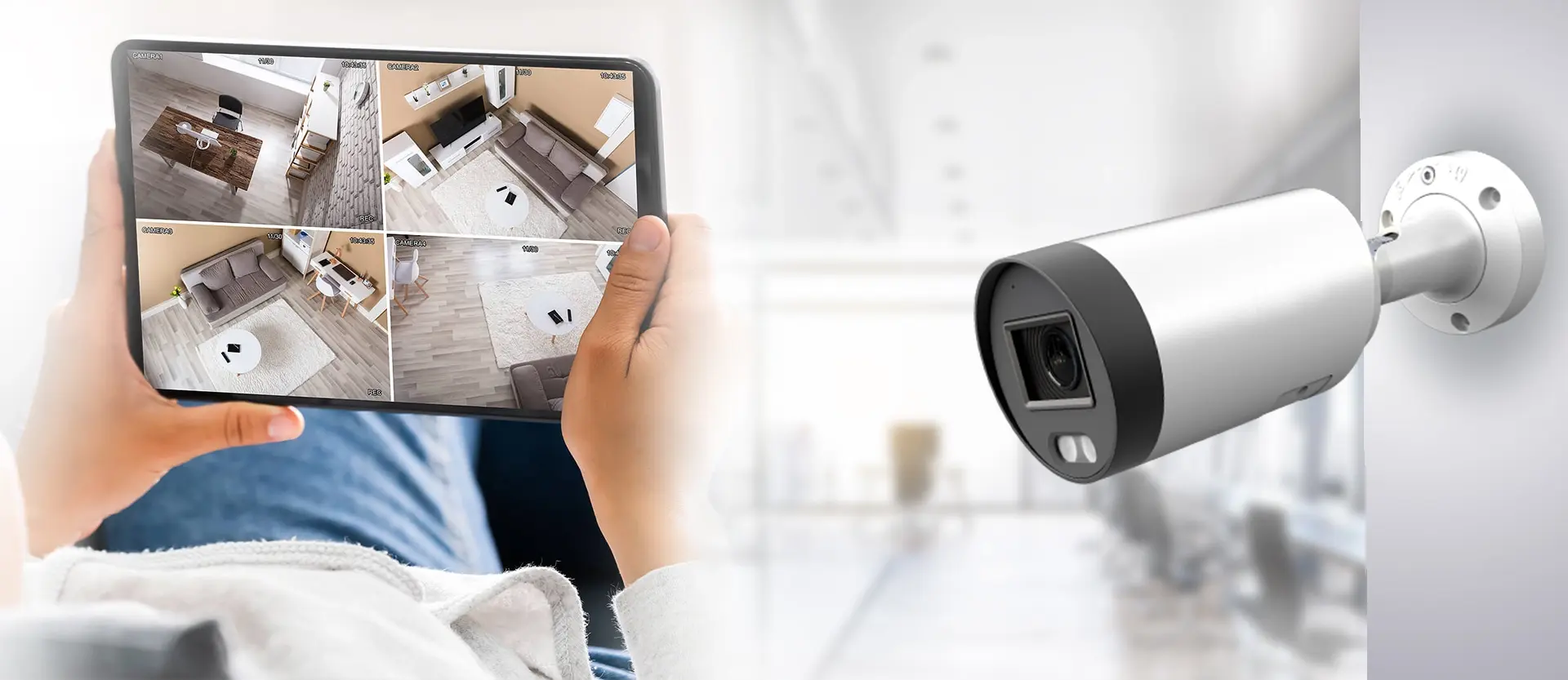
In today’s security-conscious environment, the installation of security cameras is crucial for safeguarding properties and ensuring peace of mind. Effective installation not only maximizes the functionality of the cameras but also enhances the overall security strategy. Whether you are a homeowner looking to protect your residence or a business owner aiming to secure your premises, understanding the intricacies of proper camera installation is essential. This article will provide expert tips to guide you through the process, ensuring that your security system is both efficient and reliable. For more advanced insights on security strategies, discover expert strategies here.
Planning Your Security Camera Layout
A well-thought-out camera layout is the cornerstone of an effective security system. Consider the following aspects when planning:
- Identify Key Areas: Determine which areas of your property require surveillance. Commonly monitored zones include entry points, driveways, and vulnerable or secluded areas.
- Optimal Coverage: Ensure that cameras cover all necessary angles without blind spots. Overlapping fields of view can enhance coverage.
- Future Expansion: Plan for future additions to your camera system. This foresight will save time and resources down the line.
For a more detailed guide on planning your security camera layout, learn about our tailored solutions.
Choosing the Right Camera Types
The choice of camera type is critical for meeting specific security needs. Consider these options:
Dome Cameras
Dome cameras are versatile and blend seamlessly into most environments. They are ideal for indoor and ceiling-mounted applications.
Bullet Cameras
Bullet cameras are well-suited for outdoor use due to their long range and weather-resistant design. They are perfect for monitoring large areas like parking lots or backyards.
PTZ Cameras
Pan-Tilt-Zoom (PTZ) cameras offer dynamic viewing angles and are suitable for large spaces requiring real-time monitoring adjustments.
To explore which camera type best suits your needs, explore advanced guides and tips.
Technical Installation Tips
Installing security cameras involves several technical aspects that must be addressed to ensure optimal performance:
- Positioning: Mount cameras at a height that deters tampering while allowing clear footage capture. Typically, 8 to 10 feet off the ground is ideal.
- Cabling: Use high-quality cables or opt for wireless options to prevent connectivity issues. Ensure cables are well-protected from weather and tampering.
- Lighting Considerations: Cameras should be positioned to handle varying lighting conditions. Consider infrared capabilities for night vision.
- Network Security: Secure your camera network with strong passwords and encryption to prevent unauthorized access.
For further insights on technical installation, find out more about this approach.
Post-Installation Best Practices
After installation, regular maintenance and monitoring are essential to ensure the long-term effectiveness of your security system:
- Regular Maintenance: Conduct routine checks to ensure cameras are clean, unobstructed, and functioning correctly.
- Software Updates: Keep camera firmware and security software up-to-date to protect against vulnerabilities.
- Footage Management: Regularly review footage and ensure that storage systems are functioning and have ample capacity.
To maintain a robust security system, consider ongoing professional support. For more information, discover expert strategies here.
By following these expert tips, you can create a security camera system that effectively safeguards your property. Proper planning, the right equipment, and diligent maintenance all play a role in achieving a secure and reliable surveillance setup. For more comprehensive security solutions, learn about our tailored solutions.
