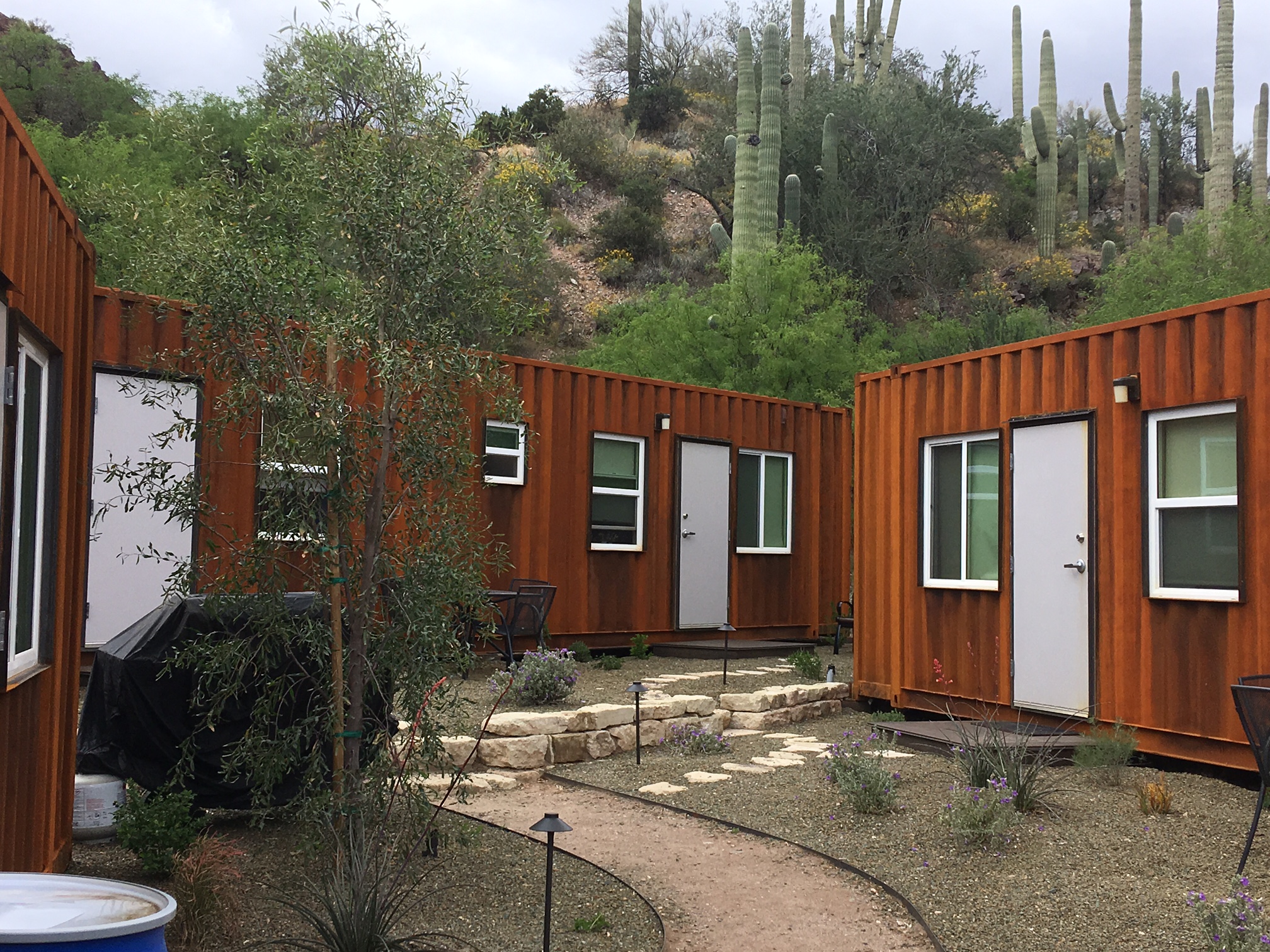
In recent years, the demand for flexible and efficient educational spaces has grown significantly. Traditional school buildings, often burdened by high costs and lengthy construction times, struggle to meet the rapid changes in educational needs. Enter modular classroom buildings: an innovative solution offering adaptability, cost-effectiveness, and sustainability. These structures are not only quick to construct but are also designed to meet modern educational standards, providing an optimal learning environment.
Understanding Modular Classroom Buildings
Modular classroom buildings are prefabricated structures designed to serve as educational spaces. These buildings are constructed off-site in a factory setting and then transported to the desired location for assembly. This approach offers several advantages over traditional construction methods.
Key Features of Modular Classrooms
- Flexibility: Modular classrooms offer the ability to easily modify layouts and add new sections as needed, accommodating changing class sizes and educational requirements.
- Speedy Construction: The off-site construction process significantly reduces the time required to complete a building, allowing schools to address space needs promptly.
- Cost-Effective: By minimizing labor and material waste, modular buildings are often more affordable than conventional structures.
- Sustainability: With efficient use of resources and reduced waste, modular classrooms present an eco-friendly option for educational facilities.
To delve deeper into the specifics of modular classroom buildings, read more about this topic.
The Benefits of Modular Classrooms
Modular classrooms present numerous benefits that extend beyond just construction time and cost. Here are some of the critical advantages:
Enhanced Learning Environments
- Customizable Interiors: The interior of modular classrooms can be tailored to support various teaching methods and technological integrations.
- Improved Air Quality and Lighting: Many modular buildings are designed with HVAC systems and windows that enhance air quality and natural light, crucial for student concentration and health.
For a detailed guide on how modular classrooms enhance learning environments, explore further insights here.
Durability and Maintenance
- Robust Construction: Despite their rapid assembly, modular classrooms are built to withstand the test of time and weather conditions.
- Easy Maintenance: The design and materials used in modular buildings often require less maintenance, reducing long-term operational costs.
Find additional information here about durability and maintenance aspects of modular classrooms.
Challenges and Considerations
While modular classrooms offer numerous benefits, there are also challenges and considerations to bear in mind:
- Site Preparation: Adequate preparation and foundation work at the site is essential to ensure a seamless installation.
- Local Regulations: Understanding and complying with local zoning laws and educational regulations is crucial.
- Design Limitations: Although customizable, modular designs may have some limitations compared to traditional buildings.
For those seeking to implement modular classrooms, learn more in this detailed guide about overcoming these challenges.
Conclusion
Modular classroom buildings represent an innovative and efficient approach to expanding educational facilities. With their adaptability, cost-effectiveness, and sustainability, they address many of the challenges faced by traditional educational infrastructure. As educational needs continue to evolve, modular classrooms will likely play a pivotal role in shaping the future of learning environments. For educators and administrators looking to explore this option, understanding the intricacies of modular construction is essential to making informed decisions. Read more about this topic to explore how modular solutions can meet the demands of the modern educational landscape.
