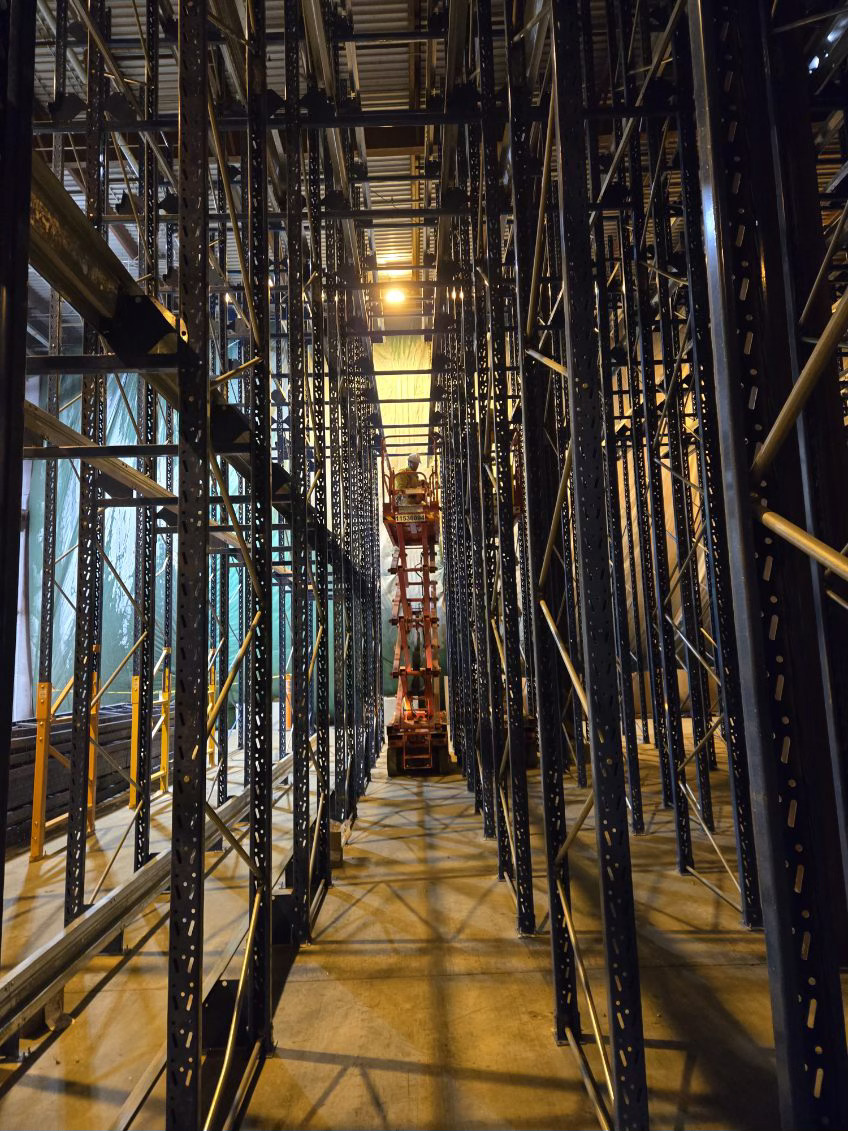
In today’s fast-paced and ever-evolving business landscape, the need for robust maintenance strategies that span the entire lifecycle of equipment and systems cannot be overstated. Comprehensive lifecycle maintenance services ensure that assets remain reliable, efficient, and safe throughout their operational life. This approach not only minimizes downtime but also optimizes performance and extends the useful life of the equipment.
The Importance of Lifecycle Maintenance
Lifecycle maintenance is critical to sustaining operational efficiency and minimizing unexpected disruptions. By implementing a thorough and systematic maintenance strategy, businesses can achieve:
- Improved asset reliability and performance
- Reduced operational costs and increased return on investment
- Prolonged equipment lifespan
- Enhanced safety standards and compliance
For businesses seeking to optimize their maintenance strategies, discover expert strategies here to navigate these complex challenges effectively.
Key Components of Lifecycle Maintenance
Predictive and Preventive Maintenance
Predictive and preventive maintenance are fundamental components of a comprehensive lifecycle maintenance plan. Predictive maintenance involves using advanced data analytics and monitoring technologies to predict potential failures before they occur. This proactive approach helps in planning interventions just in time, thus avoiding costly downtimes. On the other hand, preventive maintenance includes regular inspections and servicing of equipment to prevent unexpected breakdowns.
Understanding the nuances of these methods can greatly enhance maintenance efficiency. Learn about our tailored solutions to integrate these methodologies seamlessly into your operations.
Condition-Based Maintenance
Condition-based maintenance (CBM) further refines the maintenance process by focusing on the actual condition of an asset rather than relying solely on time-based schedules. By regularly assessing the condition of equipment through sensors and diagnostic tools, maintenance can be performed only when necessary. This strategy reduces unnecessary maintenance actions and extends the lifecycle of the equipment.
To effectively implement CBM in your maintenance strategy, explore advanced guides and tips that provide in-depth insights and practical advice.
Implementing an Effective Maintenance Strategy
An effective lifecycle maintenance strategy requires a well-coordinated approach that includes planning, execution, and continuous improvement. Here are key steps to consider:
- Assessment: Conduct a thorough assessment of current maintenance practices and asset conditions.
- Technology Integration: Leverage modern technologies like IoT and AI to enhance predictive and condition-based maintenance capabilities.
- Training and Expertise: Ensure that maintenance personnel are adequately trained and equipped with the latest tools and knowledge.
- Continuous Monitoring: Implement systems for continuous performance monitoring to identify areas of improvement.
For businesses aiming to refine their maintenance strategies, find out more about this approach to achieve sustainable results.
Conclusion
Comprehensive lifecycle maintenance services are essential for businesses that aim to maintain high operational standards and achieve long-term success. By embracing a strategic maintenance approach that combines predictive, preventive, and condition-based methodologies, companies can ensure that their assets remain in top condition, thus driving efficiency and performance. Engaging with experts and utilizing advanced resources can significantly enhance the effectiveness of these efforts, leading to a more resilient and agile operation.
