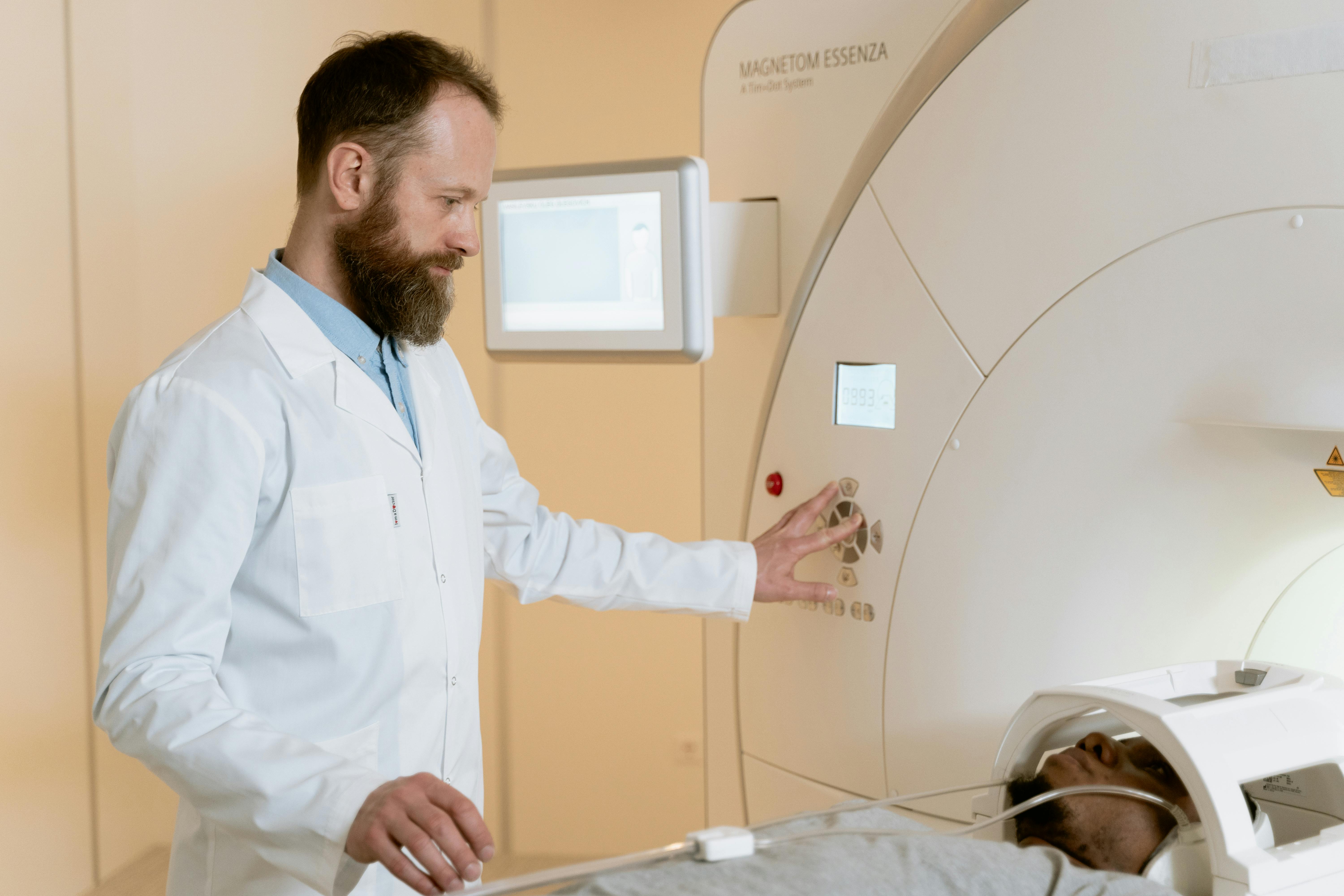
Addiction medicine represents a critical branch of healthcare that combines medical, psychological, and therapeutic approaches to address substance use disorders. With the rise in addiction cases worldwide, the importance of a comprehensive, physician-led approach to recovery has never been more pronounced. This article delves into the methodologies applied by physician specialists to ensure effective recovery and examines how these strategies are tailored to meet the individual needs of patients. By embracing evidence-based practices and personalized care plans, addiction medicine offers a pathway to sustainable recovery and improved quality of life.
Understanding Addiction Medicine
Addiction medicine is a specialty that focuses on the treatment of individuals with addiction-related health issues. It involves:
- Medical management of withdrawal symptoms.
- Diagnosis and treatment of co-occurring mental health disorders.
- Long-term rehabilitation strategies.
- Preventive education and intervention techniques.
Physician specialists in this field are trained to recognize the complexities of addiction and implement multi-faceted treatment plans that incorporate both pharmacological and behavioral health interventions. To discover expert strategies here, understanding the scope and nuances of addiction medicine is essential.
The Physician”?s Role in Recovery
Physicians play a pivotal role in the journey to recovery, offering guidance, support, and medical expertise. Their contributions include:
- Conducting thorough assessments to determine the severity of addiction.
- Developing personalized treatment plans that address individual needs and circumstances.
- Monitoring patient progress and adjusting treatment as necessary.
- Coordinating care with other healthcare providers, including therapists and counselors.
To learn about our tailored solutions, it is crucial to acknowledge how physicians integrate various therapeutic modalities to enhance recovery outcomes.
Key Strategies in Addiction Treatment
Medical Interventions
Medical interventions are often required to manage withdrawal symptoms and reduce cravings. These include:
- Medication-Assisted Treatment (MAT) using drugs like methadone or buprenorphine.
- Detoxification under medical supervision.
- Prescription of non-addictive medications to manage anxiety and depression.
To explore advanced guides and tips on medical interventions, understanding their role in addiction treatment is vital.
Psychological and Behavioral Therapies
Addressing the psychological aspects of addiction is critical for successful recovery. Effective therapies include:
- Cognitive Behavioral Therapy (CBT) to modify negative thought patterns.
- Motivational Interviewing to enhance motivation for change.
- Family Therapy to improve communication and support within the family unit.
These therapies help patients deal with the underlying emotional factors contributing to addiction. Find out more about this approach to gain insight into the psychological underpinnings of addiction treatment.
The Importance of a Holistic Approach
Addiction treatment is most effective when a holistic approach is adopted, considering the physical, psychological, and social aspects of an individual’s life. This approach includes:
- Integrating lifestyle changes such as diet and exercise.
- Encouraging participation in support groups and community activities.
- Providing vocational training and educational opportunities.
By fostering a supportive environment that addresses all facets of a patient’s life, recovery becomes a sustainable and achievable goal. For more insights into holistic strategies, discover expert strategies here.
In conclusion, addiction medicine offers a structured, scientific approach to overcoming substance use disorders. By leveraging the expertise of physicians and employing a combination of medical and therapeutic interventions, individuals struggling with addiction can achieve lasting recovery. The journey begins with understanding the comprehensive nature of addiction treatment and embracing a personalized, holistic strategy that supports every step towards recovery.
