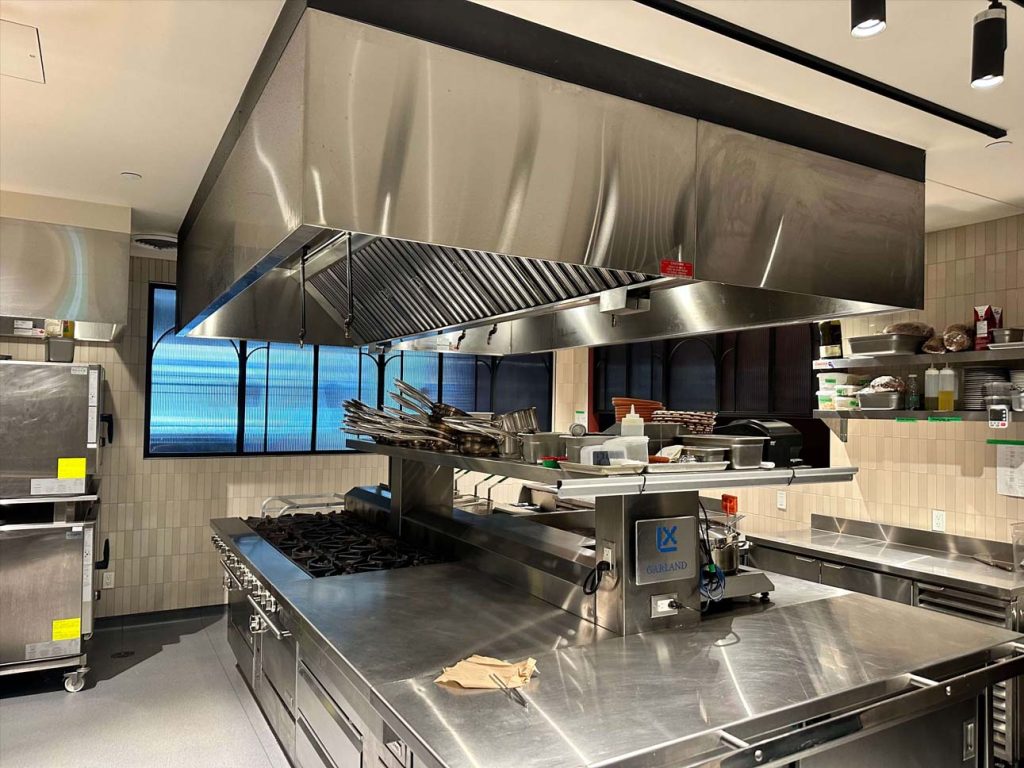
Commercial kitchen ventilation is a critical component of any food-service operation, influencing safety, energy efficiency, and overall kitchen performance. Proper airflow removes heat, smoke, grease, and odors, helping to maintain a comfortable working environment while complying with health and fire codes. This guide outlines the essential concepts, system types, design considerations, and maintenance practices that ensure optimal ventilation for restaurants, cafeterias, hotels, and other commercial food-preparation facilities.
Understanding the Core Functions of Kitchen Ventilation
Effective ventilation systems address three primary objectives:
- Heat removal: Exhaust fans pull hot air generated by cooking equipment, reducing indoor temperature and the load on HVAC systems.
- Contaminant control: Grease particles, steam, and airborne pollutants are captured before they can settle on surfaces or enter ductwork.
- Fire safety: Properly designed hoods and filters limit the buildup of flammable grease, reducing the risk of kitchen fires.
For a deeper dive into these functions, Read more about this topic.
Key Types of Commercial Kitchen Ventilation Systems
1. Traditional Hood and Exhaust Systems
These systems consist of a metal hood positioned over cooking appliances, a fire suppression unit, and a duct network that expels air outdoors. They are the most common solution for high-heat cooking stations such as grills, fryers, and ovens.
- Pros: Proven reliability, strong grease capture, compliance-ready.
- Cons: Requires extensive ductwork, can be noisy if not properly insulated.
2. Make-Up Air (MUA) Systems
Make-up air replaces the volume of air removed by the exhaust, preventing negative pressure that could draw contaminants back into the kitchen.
- Balanced airflow improves combustion efficiency of cooking equipment.
- Often integrated with heating or cooling units for energy recovery.
Learn more in this detailed guide.
3. Recirculating or Filter-Based Systems
These units treat air on-site using high-efficiency filters and then return it to the kitchen, eliminating the need for external ductwork.
- Ideal for locations where exterior venting is impractical.
- Requires regular filter replacement to maintain performance.
Design Considerations for Optimal Performance
When planning a ventilation system, several factors influence both effectiveness and cost:
- Cooking load: Calculate the total heat output (BTU/hr) of all equipment to size fans appropriately.
- Kitchen layout: Position hoods directly above appliances; consider the distance to the nearest exterior wall for duct routing.
- Air changes per hour (ACH): Industry standards typically require 15-20 ACH for high-heat zones.
- Noise control: Select low-sone fans and incorporate acoustic lining in ducts.
- Energy efficiency: Variable-speed fans and heat recovery ventilators can reduce operating costs.
For specific design guidelines, Explore further insights here.
Maintenance Best Practices
Regular upkeep extends system lifespan, maintains safety, and ensures compliance with local regulations.
- Filter cleaning/replacement: Grease filters should be inspected weekly and cleaned or replaced according to manufacturer recommendations.
- Duct inspection: Conduct quarterly visual checks for grease buildup; schedule professional cleaning at least twice a year.
- Fan and motor checks: Verify proper operation, lubricate bearings, and replace worn belts.
- Fire suppression testing: Perform annual functional tests of suppression nozzles and control panels.
Detailed maintenance schedules can be found by Find additional information here.
Regulatory and Code Compliance
Compliance with fire, health, and building codes is non-negotiable. Key references typically include:
- National Fire Protection Association (NFPA) 96 – Standard for Ventilation Control and Fire Protection of Commercial Cooking Operations.
- International Mechanical Code (IMC) – Requirements for make-up air and exhaust systems.
- Local health department regulations governing grease removal and air quality.
Staying current with code updates helps avoid costly retrofits. For a concise overview of relevant standards, Read more about this topic.
Emerging Trends in Kitchen Ventilation
- Smart controls: IoT-enabled fans adjust speed based on real-time temperature and humidity data.
- Energy recovery: Heat exchangers reclaim waste heat for water heating or space heating.
- Sustainable materials: Recyclable ductwork and low-VOC coatings reduce environmental impact.
- Modular designs: Prefabricated hood and duct assemblies speed installation and simplify future upgrades.
To understand how these innovations can be integrated, Learn more in this detailed guide.
Conclusion
Choosing the right commercial kitchen ventilation solution requires a balanced assessment of cooking demands, spatial constraints, energy goals, and regulatory obligations. By focusing on core functions, selecting an appropriate system type, adhering to design best practices, and committing to diligent maintenance, kitchen operators can achieve a safe, comfortable, and efficient work environment. Continuous monitoring of industry developments ensures that ventilation strategies remain both effective and future-proof.
