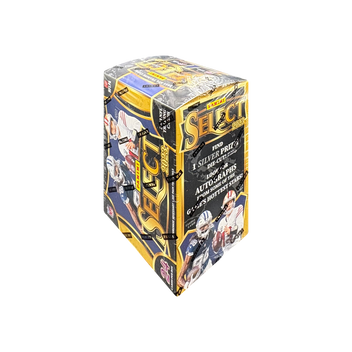
Collecting vintage trading cards has evolved from a nostalgic hobby into a sophisticated investment strategy. With the market’s recent surge, discerning collectors are turning to historically significant cards that not only preserve a piece of sports heritage but also offer tangible financial upside. Understanding the nuances of rarity, condition, and provenance is essential for anyone looking to build a portfolio that blends passion with profit. This guide explores why vintage trading cards are a compelling asset class, what to look for when evaluating them, and how to acquire quality pieces from reputable sources.
Why Vintage Trading Cards Hold Value
Several factors converge to make vintage cards a sought-after commodity:
- Scarcity: Production runs in the mid-20th century were limited, and many cards have been lost, damaged, or destroyed over time.
- Historical Significance: Cards featuring legendary athletes capture pivotal moments in sports history, adding cultural weight.
- Condition Grading: Professional grading services assign numeric scores that dramatically influence market price.
- Collectible Demand: A growing community of enthusiasts fuels consistent demand, especially for iconic sets.
Key Criteria for Evaluating a Vintage Card
1. Authenticity and Provenance
Authenticity is non-negotiable. Look for cards that come with documented provenance, original purchase receipts, previous auction results, or certification from recognized grading companies such as PSA or Beckett. Provenance not only verifies legitimacy but also enhances buyer confidence.
2. Grading and Condition
The grade assigned to a card (e.g., PSA 10, BGS 9.5) reflects its physical state. Higher grades command premium prices. When assessing a card, examine:
- Surface integrity: absence of scratches, creases, or stains.
- Centrepiece alignment: centered images and borders.
- Print quality: sharpness of ink and consistency of color.
3. Rarity and Print Run
Limited-edition inserts, error cards, and first-year releases are among the most valuable. Research the original print run; a card with a run of fewer than 5,000 copies typically outperforms higher-volume issues.
Strategic Acquisition Channels
Acquiring vintage cards through reputable channels minimizes risk and ensures access to quality inventory. The Trading Card Store offers a curated selection of graded and ungraded cards, each accompanied by detailed condition reports. For those focused on athletic memorabilia, the Sports Card Store provides a specialized inventory that includes iconic rookie cards and limited-edition sets.
Online platforms have streamlined the buying process. An Online Sports Card Store often features secure payment options, authentication guarantees, and transparent return policies, making it easier for both novice and seasoned collectors to source premium pieces.
Building a Balanced Vintage Card Portfolio
Just like any investment portfolio, diversification reduces risk. Consider allocating capital across different eras, sports, and player profiles.
- Era Diversification: Mix cards from the 1950s, 1970s, and 1990s to capture varying market cycles.
- Sport Variety: Include football, baseball, basketball, and hockey cards to broaden appeal.
- Player Mix: Balance legendary icons (e.g., Mickey Mantle, Babe Ruth) with emerging legends whose legacy is still solidifying.
Preservation Best Practices
Maintaining optimal condition is essential for preserving value. Follow these guidelines:
- Store cards in climate-controlled environments (temperature 65-70??F, humidity 40-50%).
- Use acid-free sleeves and top loaders to protect against physical damage.
- Avoid direct sunlight and excessive handling.
- Consider professional archival services for high-value items.
Market Trends and Future Outlook
Recent auction results indicate a steady appreciation for vintage cards, especially those tied to Hall of Famers and historic moments. Digital platforms have expanded the buyer base, while traditional auction houses continue to set record prices. Monitoring trends such as the rise of graded “gem mint” cards and the growing interest in international athletes can provide early signals for strategic purchases.
Where to Find Authentic Vintage Trading Cards
For collectors seeking reliable sources, the Vintage Trading Cards section of a trusted retailer offers a vetted inventory that includes:
- Certified graded cards from PSA, BGS, and SGC.
- Original, ungraded gems with provenance documentation.
- Specialty packs and inserts that are no longer in production.
Additionally, a reputable Sports Memorabilia Store often carries complementary items, such as signed jerseys and game-used equipment, that can enhance the overall value of a sports collection.
Final Thoughts
Investing in vintage trading cards merges the excitement of sports history with the discipline of asset management. By focusing on authenticity, condition, and strategic diversification, collectors can build a portfolio that not only celebrates iconic athletes but also offers potential financial returns. Leveraging reputable online resources and adhering to preservation best practices will ensure that each card remains a treasured piece of history for years to come.
