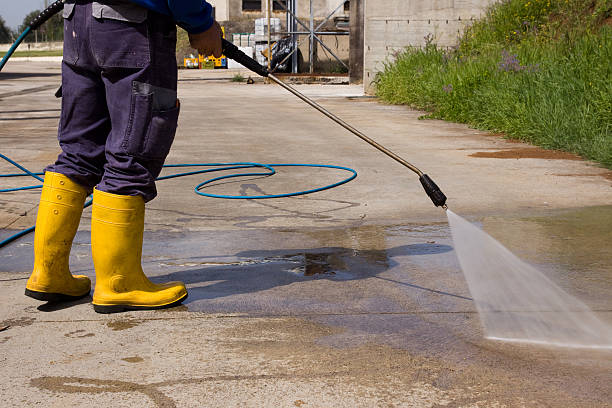
Outdoor surfaces, driveways, patios, decks, and siding, accumulate dirt, oil, mold, and weather-related stains over time. Restoring their appearance and extending their lifespan no longer requires labor-intensive scrubbing or harsh chemicals. Modern pressure washers deliver a controlled, high-velocity stream of water that lifts contaminants while minimizing surface damage. This article outlines the technical principles behind pressure washing, key selection criteria, safe operating practices, and maintenance routines that together make outdoor cleaning straightforward and effective.
Why Pressure Washing Is Effective for Outdoor Surfaces
The power of a pressure washer comes from two primary variables: pressure (measured in pounds per square inch, PSI) and flow rate (gallons per minute, GPM). Together they determine the kinetic energy of the water jet, which can break the bond between grime and substrate without the need for abrasive tools.
- Deep penetration: High-pressure water forces itself into pores and crevices, loosening embedded oil, algae, and mineral deposits.
- Reduced chemical reliance: Mechanical action often eliminates the need for strong detergents, making the process more environmentally friendly.
- Time efficiency: A single pass can clean large areas in minutes, dramatically cutting labor costs.
- Surface preservation: Properly adjusted pressure removes contaminants while leaving the underlying material intact.
For readers seeking a deeper technical overview, Read more about this topic.
Key Factors to Consider When Selecting a Pressure Washer
Pressure (PSI) and Flow Rate (GPM)
Different surfaces demand different energy levels. A low-pressure (800-1,200″?PSI) unit is suitable for delicate surfaces such as painted wood or soft stone, whereas concrete driveways and heavily soiled industrial floors may require 2,500″?PSI or higher. Matching the flow rate to the pressure ensures consistent cleaning power; a higher GPM provides more water volume, which improves rinsing and reduces streaking.
Power Source Options
Pressure washers are available in three main configurations:
- Electric: Quiet, lightweight, and ideal for residential use; limited to lower PSI ranges.
- Gas-powered: Offers higher pressure and flow rates; suitable for large-scale or commercial jobs but requires more maintenance.
- Hybrid/Portable battery units: Emerging technology that balances mobility with moderate power output.
Understanding the trade-offs helps avoid over-specifying equipment. For a balanced guide on choosing the right model, Learn more in this detailed guide.
Best Practices for Safe and Efficient Cleaning
Even with the right equipment, safety and technique are essential to achieve optimal results without damaging surfaces or endangering operators.
- Pre-inspection: Identify cracks, loose tiles, or vulnerable paint that could be harmed by high pressure.
- Correct nozzle selection: Use a 25-degree nozzle for general cleaning, a 15-degree nozzle for stubborn stains, and a wide-angle (40-degree) nozzle for delicate areas.
- Maintain a proper distance: Hold the wand 12-18 inches from the surface; moving closer increases impact force exponentially.
- Work in sections: Overlap each pass by 10-20% to ensure uniform coverage and avoid streaks.
- Personal protective equipment (PPE): Wear safety glasses, waterproof gloves, and non-slip boots to protect against flying debris and high-velocity water.
Additional safety recommendations can be found at Explore further insights here.
Maintenance Tips to Extend the Life of Your Pressure Washer
Regular upkeep preserves performance and prevents costly breakdowns. Follow these routine checks:
- Water source filtration: Install a fine mesh filter on the inlet to block sand and rust particles.
- Oil changes (gas models): Replace engine oil after the first 20 hours of use, then every 100 hours thereafter.
- Cleaning the pump: Flush the pump with clean water after each session to remove residual detergent or debris.
- Inspect hoses and connections: Look for cracks, kinks, or leaks; replace worn sections promptly.
- Store properly: Drain all water, store in a dry environment, and protect the unit from extreme temperatures.
For a comprehensive maintenance checklist, Find additional information here.
Environmental Considerations and Sustainable Cleaning
Pressure washing can be a green alternative when applied responsibly. Consider the following practices to minimize environmental impact:
- Use biodegradable detergents: When chemicals are necessary, opt for phosphate-free, biodegradable formulations.
- Capture runoff: Direct wastewater to a containment area or use a recovery system to prevent contaminants from entering storm drains.
- Energy efficiency: Choose electric models powered by renewable electricity where possible.
- Limit water usage: Adjust PSI and GPM to the lowest effective settings; many modern units feature variable pressure controls.
Readers interested in the broader sustainability context can Explore further insights here.
By understanding the mechanics of pressure washing, selecting equipment that matches the task, adhering to safety protocols, and maintaining the machine responsibly, outdoor surface cleaning becomes a manageable and repeatable process. Whether tackling a residential driveway or a commercial patio, the principles outlined above provide a solid foundation for achieving professional-grade results with confidence.
